



Why C‑Stores Win When Every Touchpoint Works as One
Walk into any convenience store today and you’ll see a lot happening at once: foodservice programs competing for attention, loyalty apps trying to drive engagement, digital screens promoting offers, and frontline staff doing their best to keep lines moving.
But too often, these pieces operate like separate islands. Foodservice runs its own promotions. Loyalty lives in an app that customers may or may not open. The forecourt experience feels disconnected from what happens inside. And the result is predictable: customers never experience the brand as one unified journey.
The truth is simple: c‑stores don’t need more systems, they need connected systems.
When every part of the store speaks the same language, customers feel it. They recognize the brand, understand the value, and build habits that turn into loyalty. When those systems stay siloed, the experience becomes fragmented and forgettable.
The Power of a Unified Customer Experience
A connected ecosystem does more than streamline operations. It creates a flywheel of engagement:
- Foodservice drives loyalty enrollment when offers are visible at the menu board, the kiosk, and the POS.
- Loyalty drives repeat visits when rewards show up everywhere a customer interacts with the brand.
- Personalized offers feel relevant when data flows across the entire store, not just one channel.
- Brand consistency strengthens when every touchpoint reinforces the same message.
This is how customers form habits. This is how they choose your store over the one across the street. And this is how c‑stores turn everyday transactions into long‑term relationships.
Connecting the Dots Across the Customer Journey
Once retailers align around the idea of a connected customer journey, the real question becomes: where does that connection actually show up inside the store?
For many c‑stores, the most overlooked opportunity is the in‑store decision window — the moments when customers are standing at a foodservice kiosk, waiting in line, or browsing before checkout. These are high‑intent moments, yet they’re often disconnected from loyalty programs and promotional strategy altogether.
Food‑led, high‑throughput environments tend to expose fragmentation quickly. In a recent survey of restaurant leaders, 62% said integration was their top technology challenge, with one executive noting simply, “Our tech stack doesn’t talk.” While the channel may differ, the dynamic is familiar. When ordering, promotions, loyalty, and checkout operate in silos, the experience breaks down at the exact moment customers are deciding what to buy.
When loyalty and offers extend into these moments, the experience changes. Foodservice promotions become timely instead of transactional. Bundles and limited‑time offers feel contextual rather than generic. Value is presented while customers are deciding what to buy — not after the decision has already been made.
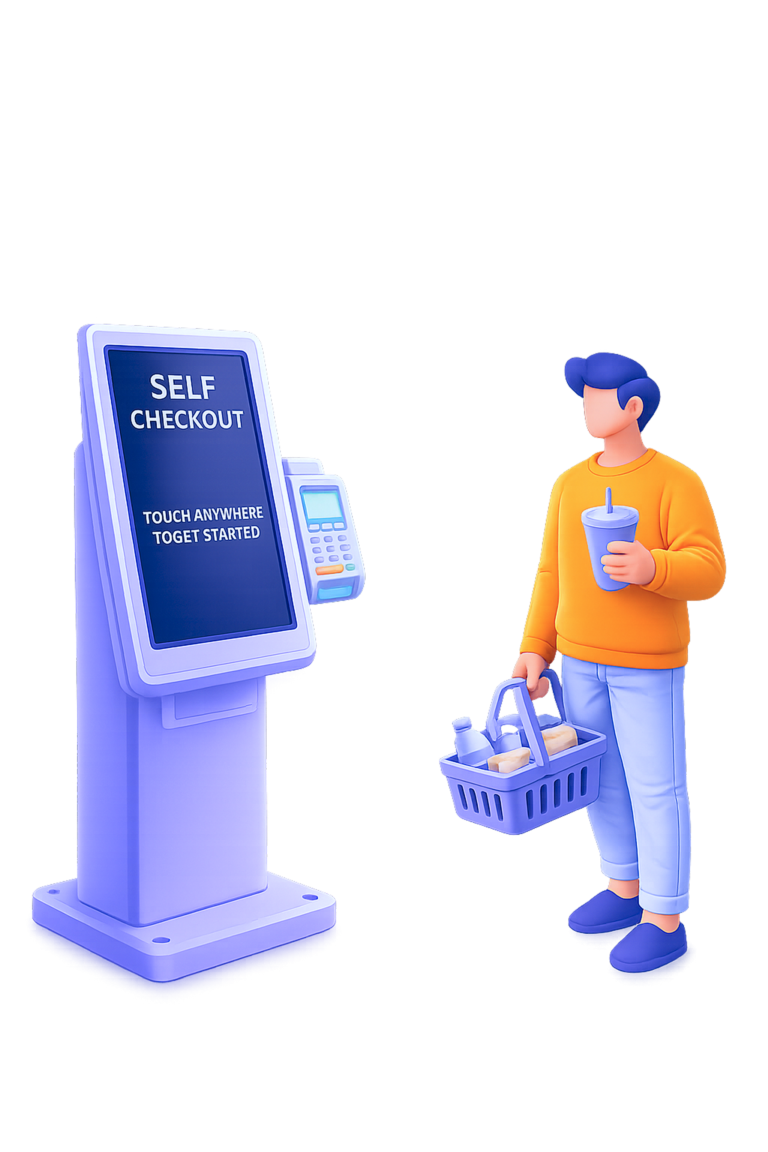
This is where modern in‑store engagement platforms — like PAR Retail’s Touchpoint System — play an important role. Rather than introducing yet another standalone channel, they help retailers surface consistent offers, messaging, and value across screens, self-checkout kiosks, and point‑of‑sale environments, making loyalty and foodservice feel like part of the same experience.
For customers, the technology fades into the background. What they notice is relevance. The store feels easier to navigate. Promotions make sense in the moment. And foodservice decisions feel guided rather than interrupted.
The goal isn’t to add another system to the mix. It’s to help all the existing systems work together so the customer sees one brand, one message, and one relationship — no matter where they are in the store.
The Future of C‑Store Engagement Is Connected
C‑stores that treat foodservice, loyalty, digital signage, and POS as separate initiatives will always struggle to create a cohesive customer experience. But those that unify these systems — and put loyalty at the center — will build stronger relationships, drive more repeat visits, and unlock the full value of every touchpoint.
The Touchpoint System is one example of how this connected future becomes real. A future where every part of the store works together. A future where customers feel recognized, rewarded, and understood. A future where loyaltyisn’t an add‑on — it’s the experience.
Want to learn more about how you can create a unified customer experience? Get in touch.